Boston Real Estate Market Report: A More Selective Era Arrives in the City’s Urban Core
How shifting buyer behavior, luxury inventory, and neighborhood identity are reshaping Boston in 2026
Boston’s real estate market has entered a quieter, more disciplined phase.
The urgency that once defined the city’s urban housing market — the waived contingencies, the overnight bidding wars, the relentless upward pricing pressure — has begun to soften. In its place is a more deliberate environment, one where buyers move carefully, sellers negotiate more openly, and neighborhoods themselves increasingly determine value as much as square footage or finish level.
Yet despite this recalibration, the underlying fundamentals of Boston remain largely intact. Supply is still constrained by geography and regulation. Demand continues to be supported by the city’s deep concentration of wealth, education, medicine, finance, and technology. And the neighborhoods at the center of the city’s evolution — the Seaport, South Boston, Back Bay, Beacon Hill, the South End, and Downtown — continue to attract residents seeking not only housing, but a particular kind of urban life.
What has changed is not the desirability of Boston. It is the terms under which that desirability is now negotiated.
The Seaport: Boston’s Luxury Experiment Matures
Nowhere is the city’s shift more visible than in the Seaport.
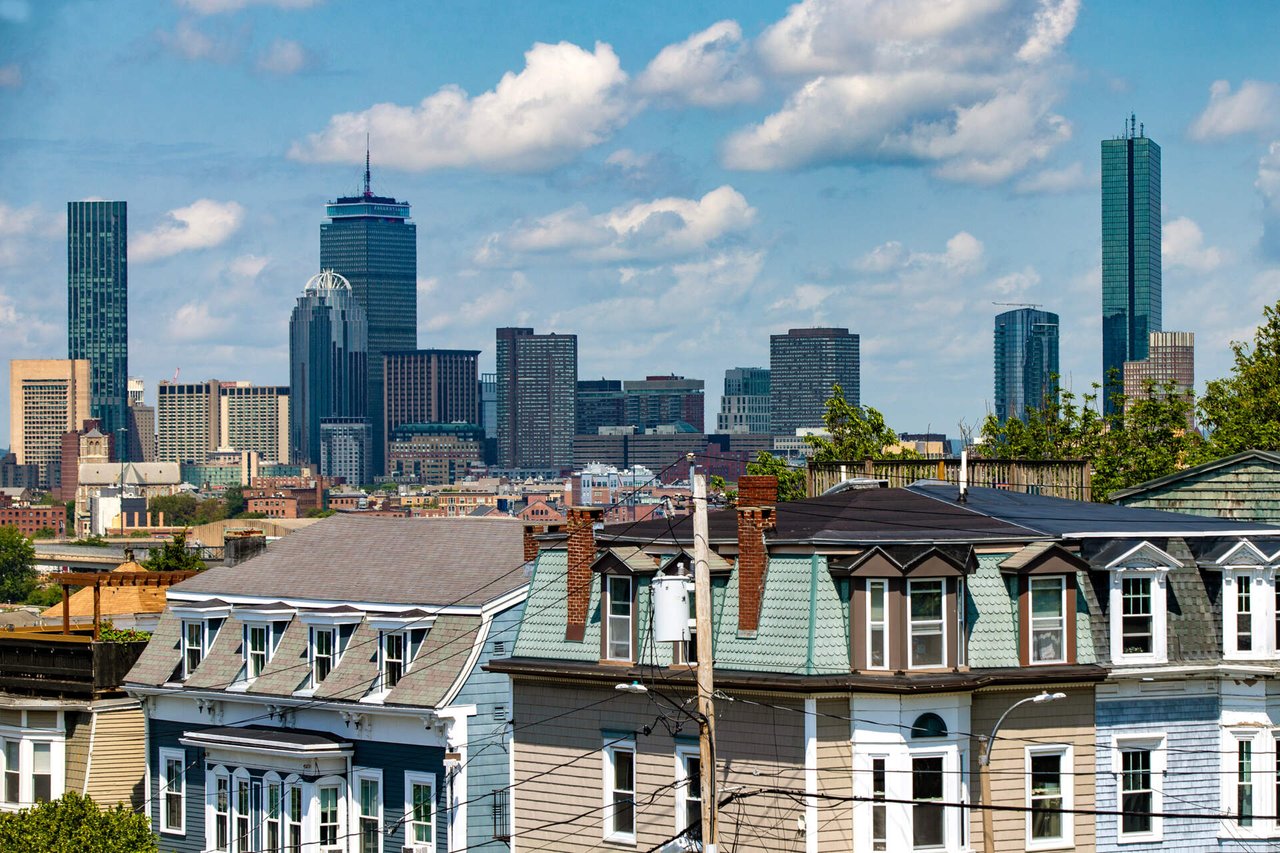
Over the past decade, the district transformed from a landscape of parking lots and industrial buildings into Boston’s most ambitious modern neighborhood — a waterfront enclave defined by glass towers, branded residences, luxury hotels, and expansive office developments. It became, in many respects, Boston’s attempt at creating a globally recognizable luxury district.
But in 2026, the neighborhood is confronting a more complicated reality. Inventory has risen substantially, particularly at the upper end of the condominium market, where several large developments continue releasing units into a slower sales environment. Buyers who once competed aggressively for new construction are now comparing buildings, negotiating concessions, and taking more time before committing.
The neighborhood’s appeal remains powerful. Buildings like St. Regis Residences Boston and EchelonSeaport continue to attract affluent buyers seeking modern amenities, waterfront views, and hotel-style services. Yet the pace has undeniably changed.
The Seaport today is less a market driven by momentum than by differentiation. The strongest properties continue to command attention; the merely expensive no longer do so automatically.
South Boston: Stability Through Familiarity
If the Seaport represents reinvention, South Boston represents continuity.
The neighborhood remains one of the city’s most resilient residential markets, buoyed by limited inventory, strong owner-occupant demand, and a neighborhood identity that has largely survived rapid development. Buyers continue to gravitate toward renovated condominiums, smaller multifamily buildings, and properties that offer proximity to both Downtown and the waterfront without the pricing intensity of newer luxury towers.
South Boston’s appeal increasingly lies in its balance. It offers access to Boston’s economic core while maintaining a distinctly neighborhood-oriented feel — walkable streets, local restaurants, smaller-scale retail, and a housing stock that feels more integrated into the city’s traditional fabric.
In a market increasingly defined by caution, familiarity has become an asset.
Back Bay and Beacon Hill: The Enduring Luxury Markets
While newer districts navigate expanding inventory and shifting buyer expectations, Back Bay and Beacon Hill continue operating under a different set of conditions entirely.
These neighborhoods remain protected by scarcity.
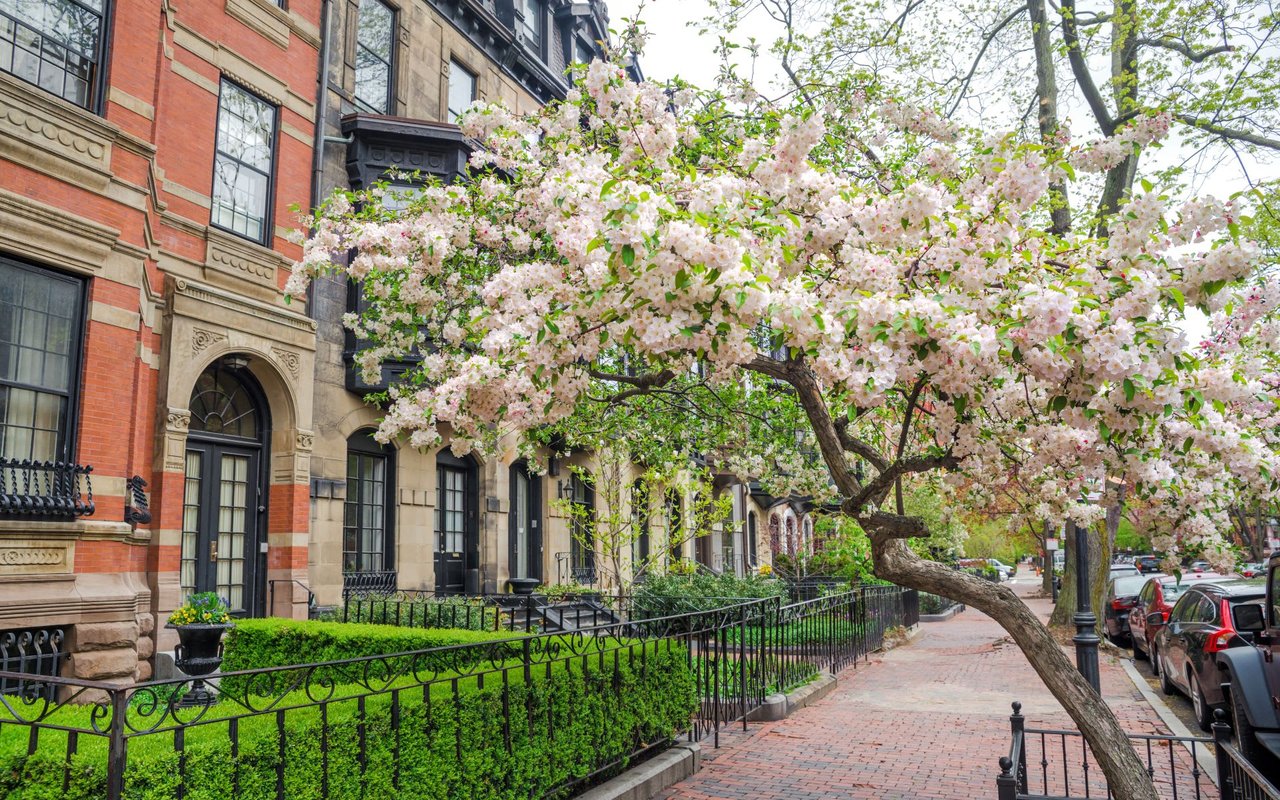
Back Bay’s broad avenues, historic brownstones, and proximity to Newbury Street continue attracting buyers seeking permanence as much as prestige. The neighborhood’s highest-end properties — particularly renovated townhouses and boutique condominium residences — continue trading at prices that would have once seemed improbable for Boston.
Beacon Hill, meanwhile, remains one of the city’s most insulated markets. The neighborhood’s narrow streets, federal-style architecture, and low turnover create a level of scarcity difficult to replicate elsewhere in the city. Inventory remains extraordinarily limited, and demand from downsizers, professionals, and long-term wealth buyers continues supporting pricing even as broader luxury markets soften.
In both neighborhoods, history itself has become a form of inventory protection.
The South End and the Rise of Lifestyle Real Estate
The South End has emerged as perhaps the clearest example of how lifestyle now shapes housing demand.
Long prized for its brownstones and walkability, the neighborhood has evolved into one of Boston’s strongest cultural and culinary centers. Restaurants, cafés, galleries, and boutique retail have become deeply intertwined with residential demand, creating a market where the experience of living often matters as much as the property itself.
Boston’s expanding national culinary reputation has only strengthened the neighborhood’s profile. Restaurants like 311 Omakase have helped elevate the city’s standing as a dining destination, while reinforcing the South End’s role as Boston’s most lifestyle-oriented residential district.
As buyers increasingly prioritize walkability, hospitality, and neighborhood energy, the South End continues benefiting from forces that extend well beyond housing supply alone.
Downtown Boston’s Reinvention
Perhaps the most significant long-term transformation is occurring Downtown.
For generations, the Financial District functioned primarily as a commuter landscape — active during business hours, largely quiet afterward. That distinction is beginning to fade. Office-to-residential conversions, new mixed-use developments, and institutional investment are steadily reshaping the district into something more residential and continuous.
Projects like South Station Tower symbolize this shift. Residential density is increasing. Restaurants and retail are following. The district is gradually becoming less a place people pass through and more a place they remain.
The process remains uneven, but the trajectory is increasingly clear: Downtown Boston is moving toward a more complete urban identity.
A Market Defined Less by Speed Than by Choice
Boston’s real estate market is no longer operating at the pace that defined the immediate post-pandemic years. Buyers are more analytical. Sellers are more flexible. Luxury inventory has expanded. Negotiation has returned.
But the city’s underlying dynamics remain remarkably durable.
Boston continues to attract capital, talent, and long-term institutional investment at a scale few American cities can match. Its strongest neighborhoods continue benefiting from limited supply, strong employment fundamentals, and increasing lifestyle appeal.
For now, the market is neither booming nor retreating. It is recalibrating — becoming more selective, more strategic, and perhaps, in the long run, more sustainable.