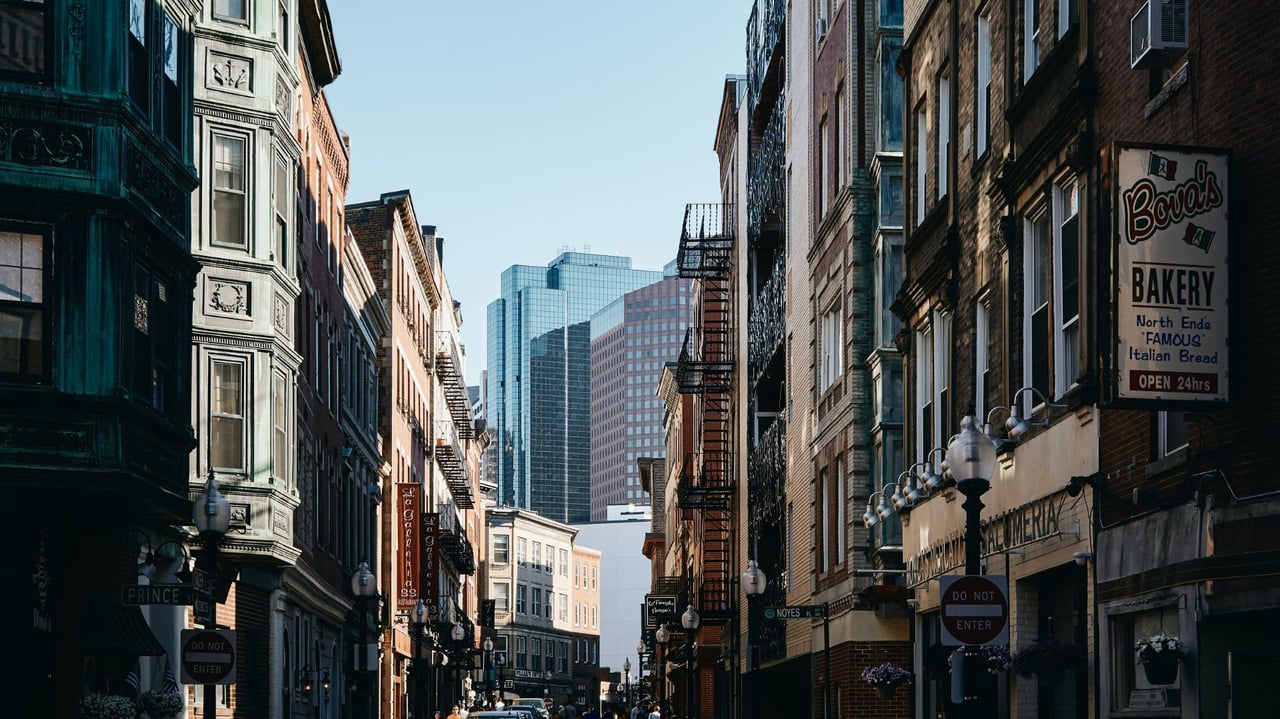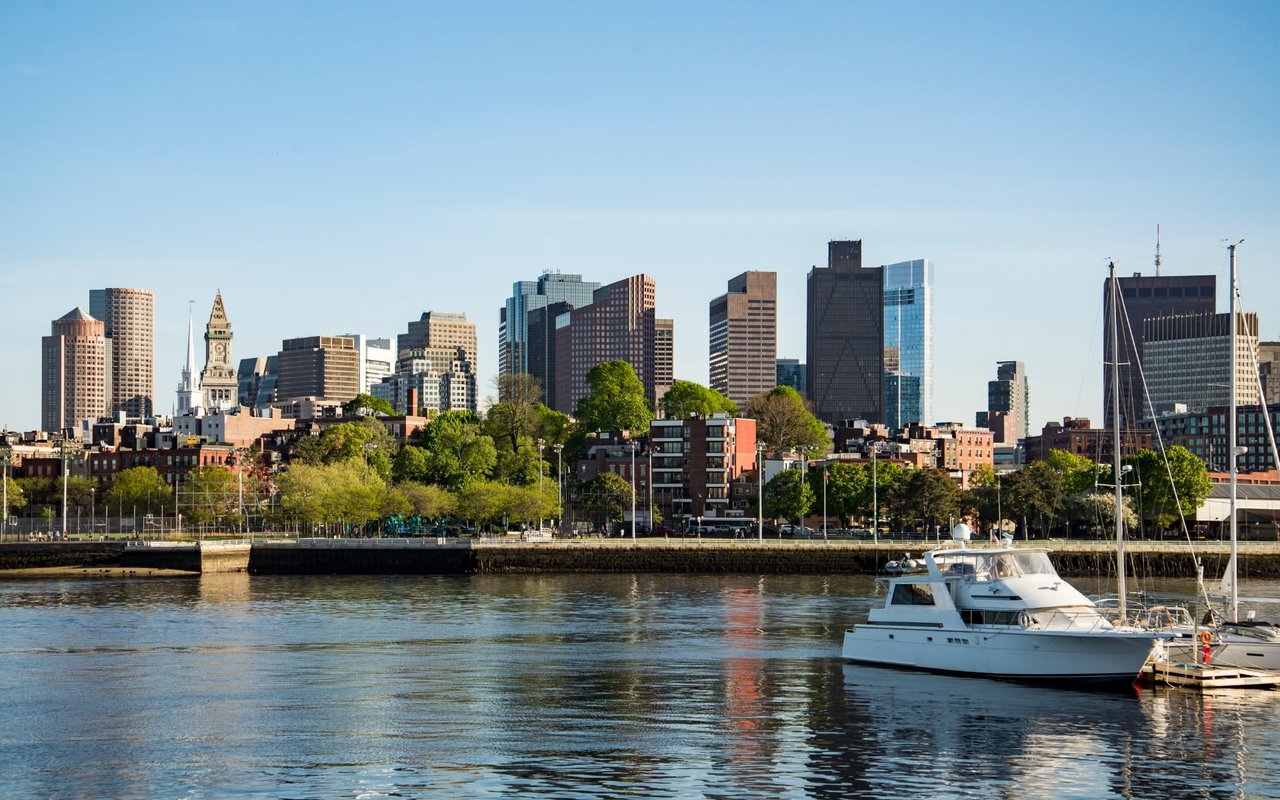
A local look at Boston real estate in 2026, with updates on Seaport development, South Boston condo and rental trends, and the luxury market in Back Bay and Beacon Hill.
Boston’s real estate market is moving into spring with a more balanced feel than the frenzied pace of the past few years, but demand in the city’s strongest neighborhoods remains very real. Inventory is still relatively limited, which continues to support pricing in prime locations, even as buyers become more selective about what they are willing to pay for. Recent local reporting described the 2026 Massachusetts housing market as entering a “new normal,” with more buyers and sellers moving forward pragmatically rather than waiting on the sidelines.
For buyers and sellers alike, that means this is not a market defined by dramatic swings. It is a market defined by discernment. Well-located, well-presented homes are still attracting attention, while listings that miss the mark on pricing, condition, or layout are facing more pushback. That dynamic is especially important in Boston’s core urban neighborhoods, where luxury, lifestyle, and long-term value tend to overlap.
Seaport
Seaport remains one of the city’s most closely watched residential markets because its momentum is about more than housing alone. The neighborhood continues to benefit from a combination of waterfront access, hospitality, dining, office presence, public space investment, and large-scale development. All of that helps reinforce its position as one of Boston’s premier live-work-play districts.
One of the clearest signs of future inventory is Seaport Square Blocks B and C at 23–55 Northern Avenue. According to the Boston Planning Department, the project will deliver 832 rental units, including 96 income-restricted apartments. It is a significant addition, but it also highlights a larger point: even with new inventory on the way, prime Seaport product remains limited, particularly homes with water views, strong service packages, and standout locations within the neighborhood.
That scarcity continues to matter because Seaport is not simply selling square footage. It is selling a complete urban lifestyle. As new dining and hospitality activity continues to strengthen the district, the neighborhood remains attractive to both renters and buyers who want convenience, energy, and amenity-rich living in one place. In practical terms, that means top-tier homes in 02210 are still likely to hold their value well, while secondary inventory may require more precise pricing and a sharper marketing strategy.
South Boston
South Boston continues to show why it remains one of the city’s most resilient residential markets. Its appeal is broad, drawing renters, first-time buyers, investors, and move-up buyers alike. That diversity has helped keep demand steady, even as the broader market has become more selective.
Current Zillow data places the average home value in 02127 at $852,875, down 0.6 percent over the past year, with homes going pending in around 47 days. Those figures suggest a market that remains active, but no longer automatic. Buyers are still engaging, but they are taking a closer look at value and condition before making their move.
The rental market remains another key source of strength. Zillow currently shows average rent in 02127 at roughly $4,000, with one-bedroom apartments averaging about $2,900 and two-bedrooms around $3,800. Those are strong numbers, and they continue to support investor interest and long-term confidence in the neighborhood.
For the spring market, South Boston still looks healthy. Renovated condos, efficient layouts, and homes in the neighborhood’s best pockets should continue to perform well. Buyers may have slightly more negotiating room than they did at the peak of the market, but demand remains solid for product that checks the right boxes.
Back Bay
Back Bay remains one of Boston’s most established luxury neighborhoods, and its core appeal has not changed. The architecture, proximity to Newbury Street, access to the Charles River, and limited turnover continue to make it one of the city’s most desirable places to own.
What has changed is buyer behavior. In 2026, luxury buyers are still willing to pay for exceptional properties, but they are less forgiving of pricing that gets ahead of the value on offer. In a neighborhood like Back Bay, that tends to favor beautifully renovated homes, full-service residences, and properties with rare features such as parking, private outdoor space, or especially compelling views. Broader Boston reporting suggests that this kind of selectivity is a defining feature of today’s market.
That is not a sign of weakness. If anything, it reflects the strength of neighborhoods where inventory is limited and long-term desirability remains intact. Back Bay continues to offer one of the clearest examples of defensive luxury in Boston real estate.
Beacon Hill
Beacon Hill continues to operate in a category of its own. It is one of the city’s most supply-constrained neighborhoods, with historic housing stock, preservation protections, and limited turnover combining to create a market defined by rarity.
In a more selective environment, that scarcity tends to work in Beacon Hill’s favor. Buyers may be more measured, but they still compete for homes with true character, quality renovation, and strong placement within the neighborhood. Like Back Bay, Beacon Hill is less about volume and more about lasting desirability.
For sellers, that means preparation and pricing still matter. For buyers, it means the best opportunities may come from identifying homes that have lingered because of presentation or strategy issues, not because the neighborhood itself has lost appeal.
Rental Market and Development Trends to Watch
Boston’s rental market remains one of the most important fundamentals supporting the broader housing picture. Zillow currently reports average rent in Boston at $3,500, with one-bedroom apartments averaging about $2,675 and two-bedrooms around $3,400. Those numbers help explain why demand for ownership remains strong in well-located neighborhoods, even in a higher-rate environment.
At the same time, development remains an important part of the conversation, especially in neighborhoods like Seaport where large-scale projects can meaningfully influence future supply. New construction will help, but it is unlikely to fully solve Boston’s broader inventory challenge anytime soon. That is one reason the city’s strongest neighborhoods continue to hold value so well.
The Bottom Line
The Boston real estate market is not standing still, but it is also not unraveling. What we are seeing instead is a more disciplined market, where quality matters more, pricing matters more, and the strongest neighborhoods continue to separate themselves.
In Seaport, the story is ongoing development paired with prime scarcity. In South Boston, it is steady buyer demand and continued rental strength. In Back Bay and Beacon Hill, it is the enduring value of neighborhoods where supply is naturally limited and long-term appeal remains strong. For both buyers and sellers, this is a market that rewards precision. The opportunities are still there, but they are going to the people who understand exactly where the value is.
If you’re considering buying or selling, happy to share a more detailed breakdown of current opportunities.
Joe Barka
#BostonRealEstate #SeaportBoston #LuxuryRealEstate #BostonCondos #02210 #RealEstateMarket #Compass #BostonLuxury