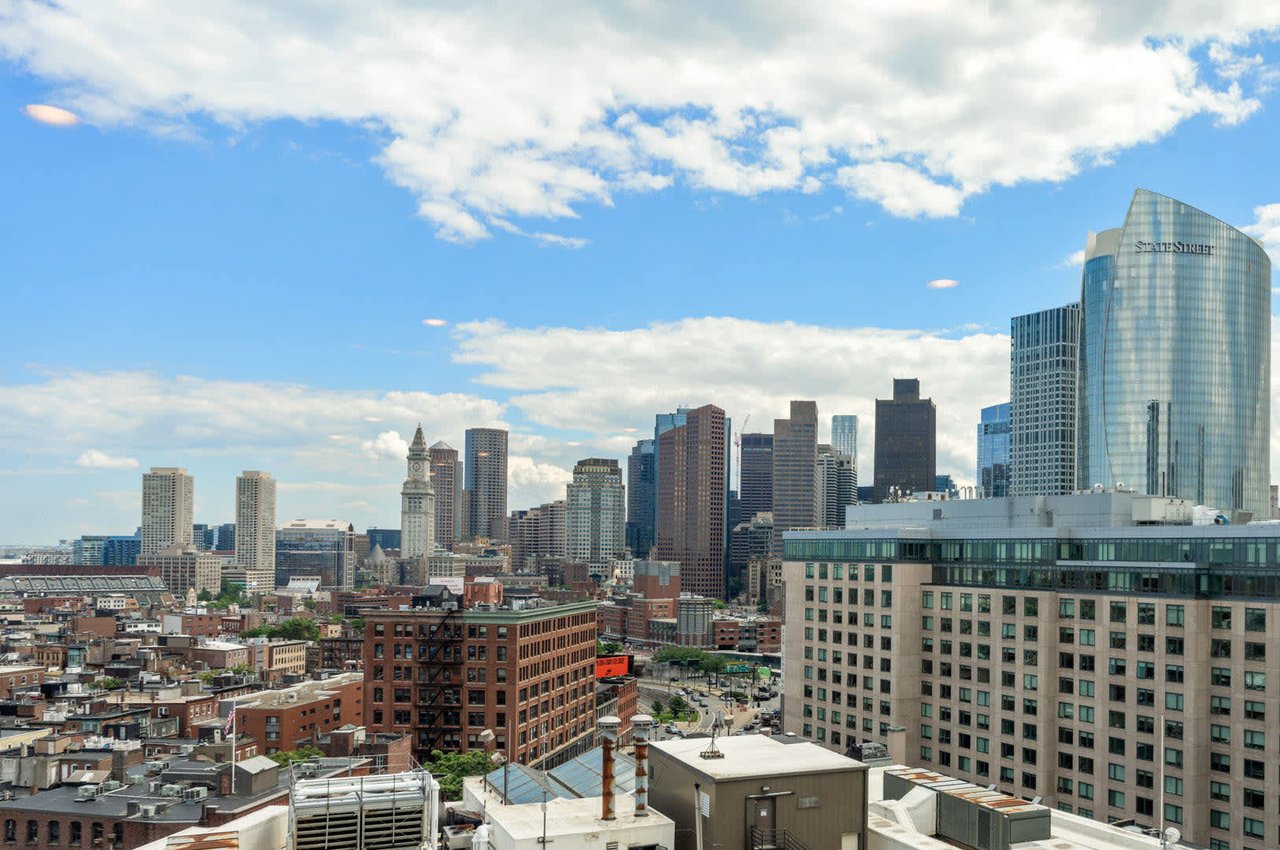
Boston Real Estate Market Report: Trends, Development & Lifestyle Shaping the City
Boston’s real estate market is no longer defined by speed- it’s defined by precision.
Across Downtown, Seaport, South Boston, Back Bay, Beacon Hill, and the South End, the shift underway in 2026 is not a decline in demand, but a refinement of it. Buyers remain active, inventory is gradually increasing, and new development continues to reshape the city. But unlike the previous cycle, the margin for error has narrowed.
The result is a market that is slower on the surface- but more competitive beneath it.
A Market Slowing in Pace, Not in Strength
Boston has entered a phase that feels markedly different from the past several years. Listings are up modestly. Properties are taking longer to sell. Negotiation has returned to the process.
But these changes do not point to weakness. Instead, they reflect a normalization in a market that remains fundamentally constrained.
Supply continues to lag demand, particularly in the most desirable neighborhoods. High-income employment, anchored by technology, biotech, and finance, continues to support housing demand. And the city’s limited ability to expand housing inventory ensures that even a modest increase in listings does not dramatically shift pricing.
What has changed is buyer behavior.
Today’s buyer is more patient, more analytical, and more selective. But when the right property appears- well-located, well-designed, and correctly priced- it still commands attention.
Luxury Real Estate: Still Active, Increasingly Selective
At the top of the market, Boston continues to demonstrate resilience.
Recent high-profile sales in Beacon Hill and Back Bay reinforce that demand for premium properties remains strong. But these transactions also highlight an important distinction: today’s buyers are not reacting to the market—they are evaluating it.
Luxury buyers are prioritizing:
-
Turnkey condition
-
Unique architectural features
-
Full-service buildings and amenities
-
Outdoor space and views
Properties that meet these criteria continue to perform. Those that do not are facing longer marketing periods and increased price sensitivity.
In 2026, luxury real estate in Boston is less about momentum- and more about differentiation.
Seaport: Boston’s Most Visible Shift
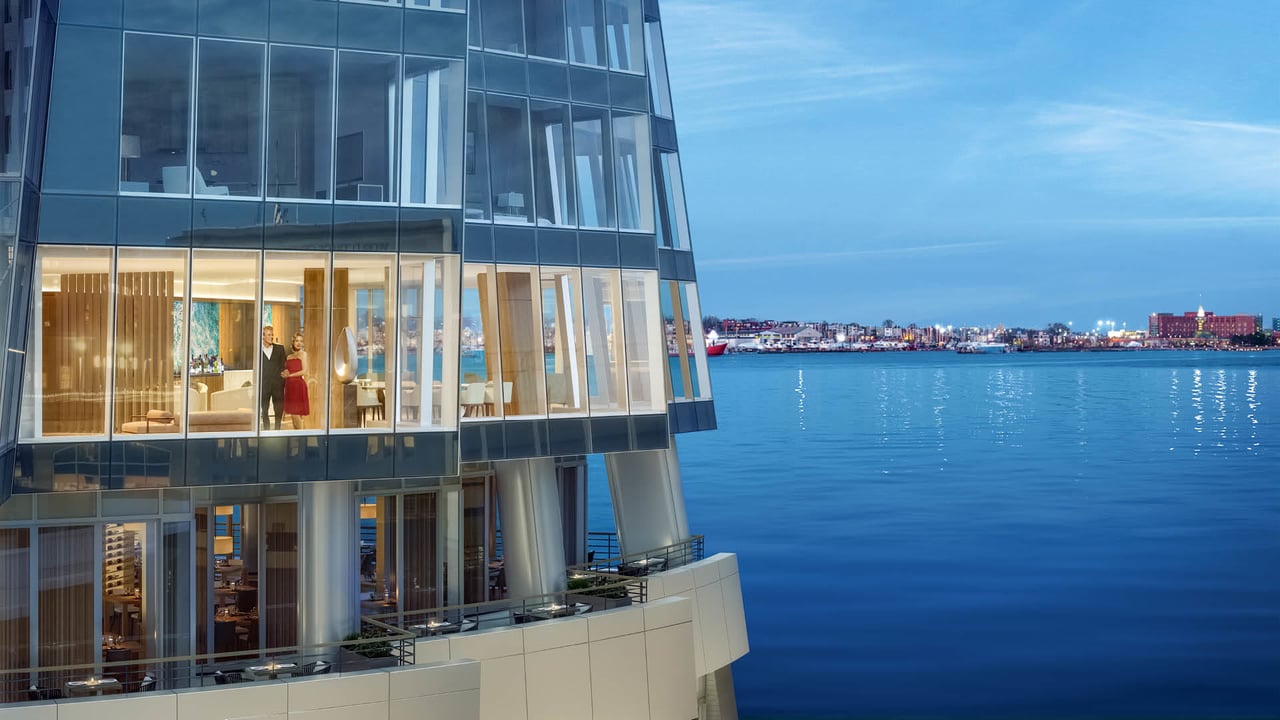
The Seaport remains Boston’s most modern and fastest-evolving neighborhood, but it is also where the market’s shift is most apparent.
A wave of new luxury development has expanded supply, particularly in the condominium segment. While demand remains strong, absorption has slowed at the highest price points.
Buyers are increasingly distinguishing between:
-
premier waterfront and full-service properties
-
and mid-tier luxury units competing on price
At the same time, the Seaport’s broader appeal continues to strengthen. Its mix of corporate tenants, waterfront access, retail, and dining has created one of the city’s most complete live-work environments.
The result is a neighborhood where long-term fundamentals remain strong—but short-term pricing is becoming more competitive.
South Boston: Stability Through Balance
South Boston continues to function as one of the city’s most balanced markets.
Unlike the Seaport, its development pipeline has been more incremental. This has helped maintain a healthier relationship between supply and demand, resulting in consistent transaction activity.
Buyers remain active across:
-
mid-range condos
-
new construction units
-
renovated multi-family conversions
However, pricing sensitivity is increasing. Properties that are misaligned with market expectations are taking longer to sell, while well-positioned listings continue to move.
South Boston remains one of the most dependable markets in Boston- not because it is immune to change, but because it absorbs it steadily.
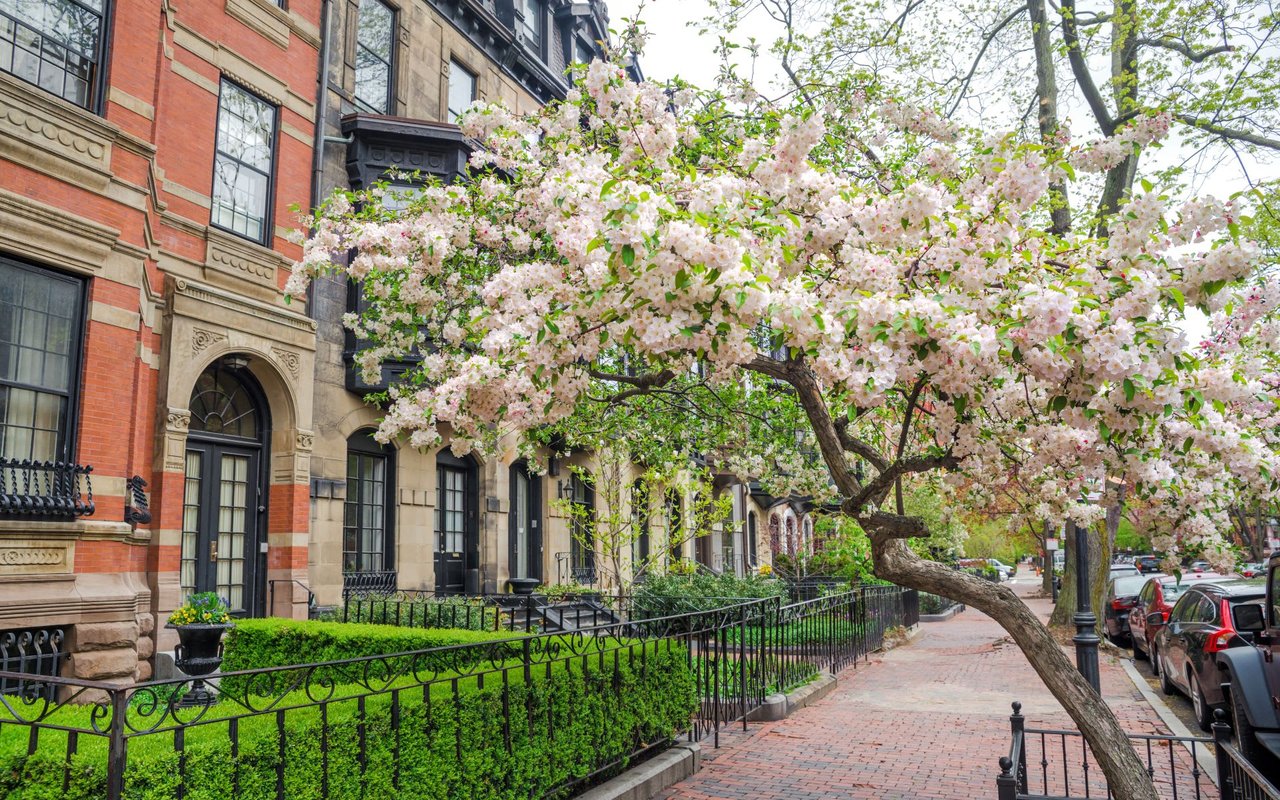
Back Bay: A Market Defined by Scarcity and Confidence
Back Bay continues to represent Boston’s most stable luxury environment.
Its value is rooted in factors that are difficult to replicate:
-
historic architecture
-
proximity to Newbury Street
-
established retail and dining infrastructure
-
limited inventory
As a result, demand remains consistent, particularly for renovated brownstones and well-located condominium residences.
In a market that is becoming more selective, Back Bay stands out as a neighborhood where confidence remains high- and pricing remains resilient.
South End: Where Lifestyle Drives Demand
Few neighborhoods illustrate the connection between lifestyle and real estate as clearly as the South End.
Long known for its architecture and cultural identity, the neighborhood is now gaining national recognition as one of Boston’s leading dining destinations. This evolution has reinforced its appeal among buyers who prioritize walkability, design, and neighborhood character.
Transaction volume may fluctuate, but demand remains anchored in something deeper than market conditions: the experience of living there.
In the South End, real estate is not simply a financial decision- it is a lifestyle choice.
Beacon Hill: Enduring Value Through Scarcity
Beacon Hill remains one of the most supply-constrained markets in the country.
Inventory is limited, turnover is low, and demand remains consistent among buyers seeking historic properties with modern interiors. When well-renovated homes come to market, they continue to attract serious interest.
While broader market trends may shift, Beacon Hill operates within a narrower band—one defined less by momentum and more by rarity.
Downtown Boston: A Neighborhood in Transition
Downtown Boston is undergoing one of the most significant transformations in the city.
Historically defined by office space, the neighborhood is now being reshaped by a growing number of office-to-residential conversions. This shift is gradually introducing a new population of full-time residents, along with the retail and dining infrastructure needed to support them.
While still in its early stages, this transition is changing how Downtown is perceived- not just as a place to work, but as a place to live.
For buyers, this creates a different kind of opportunity: one tied not to current prestige, but to future potential.
The Rental Market: A Quiet Foundation
Boston’s rental market continues to provide a stabilizing force.
Demand remains strong, particularly in neighborhoods close to employment centers and lifestyle amenities. High rents, combined with limited vacancy, continue to support property values and provide flexibility for both investors and homeowners.
For many buyers, renting has become a strategic pause- allowing time to navigate a more complex purchasing environment.
The Bigger Picture
Boston’s real estate market is not retreating- it is recalibrating.
-
Inventory is increasing, but remains constrained
-
Buyers are active, but more selective
-
Development is ongoing, but more targeted
-
Lifestyle is becoming a central driver of demand
And perhaps most importantly:
👉 The market is no longer defined by urgency- it is defined by alignment
Bottom Line
In 2026, Boston real estate is not about chasing the market.
It’s about understanding it.
The opportunities are still there- but they are increasingly concentrated in properties, neighborhoods, and price points that meet the moment.
Work With Joe Barka
If you’re considering buying or selling in Boston, I can provide a real-time breakdown of what’s actually moving- and where the best opportunities are emerging across the city.