Seaport: A Full-Time Waterfront Neighborhood
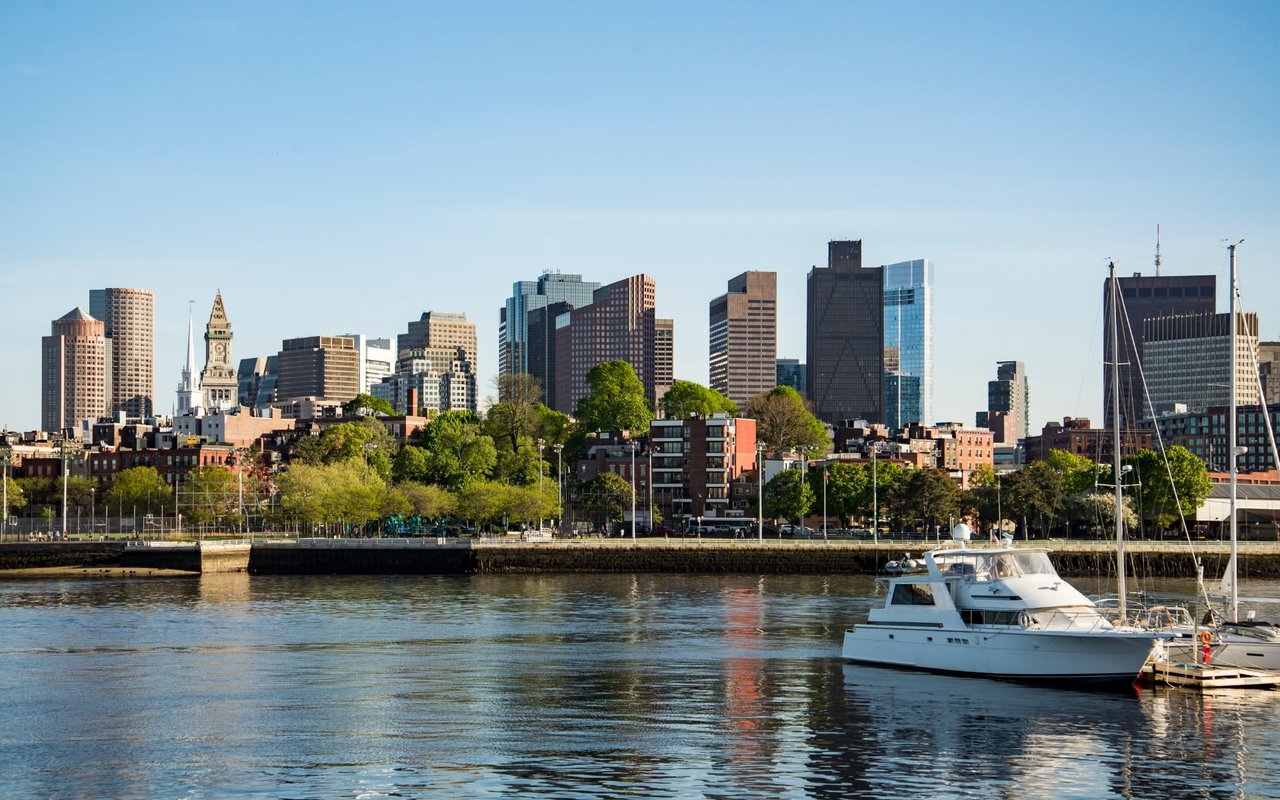
Seaport continues to mature as a complete residential and lifestyle district.
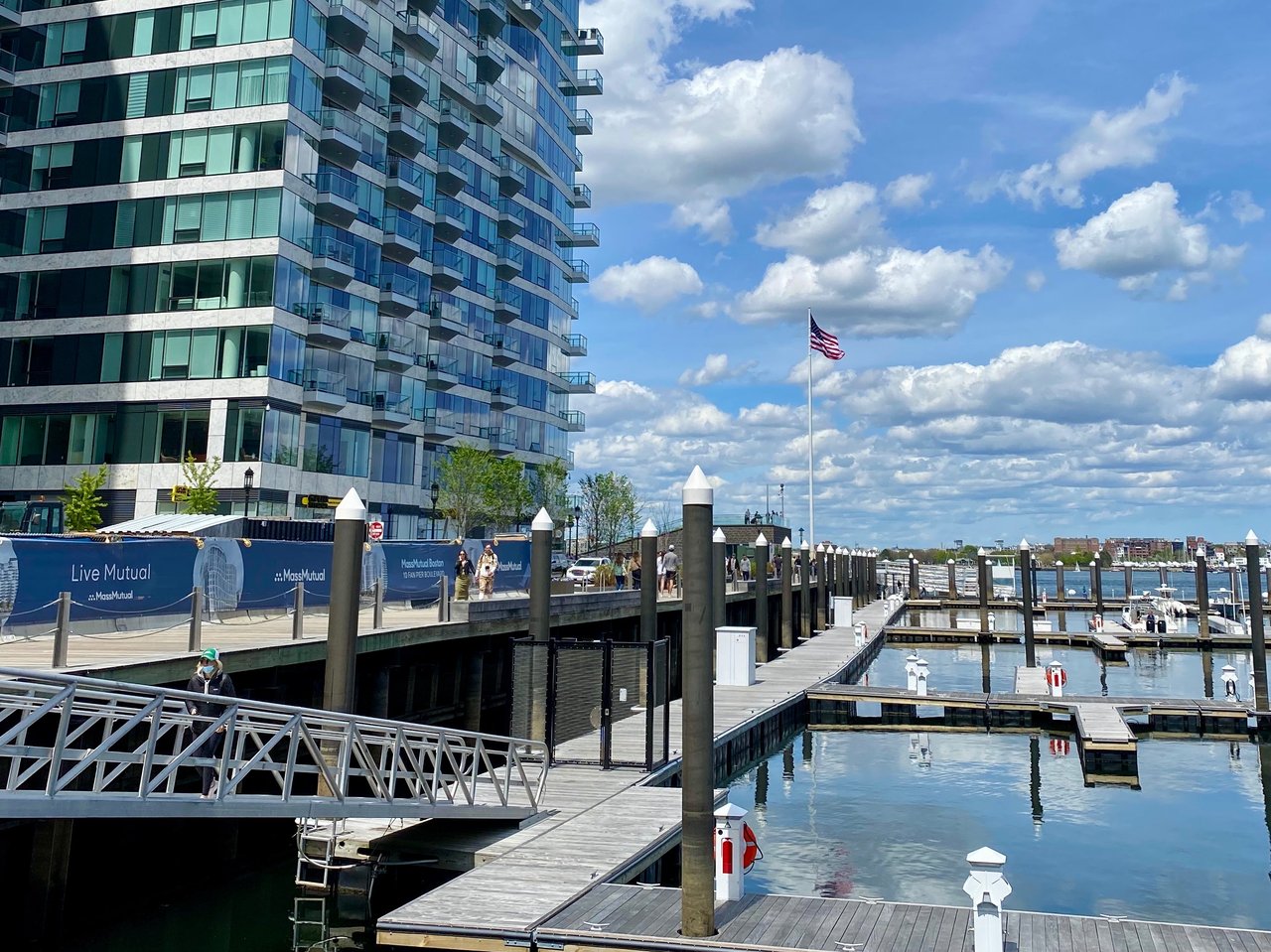
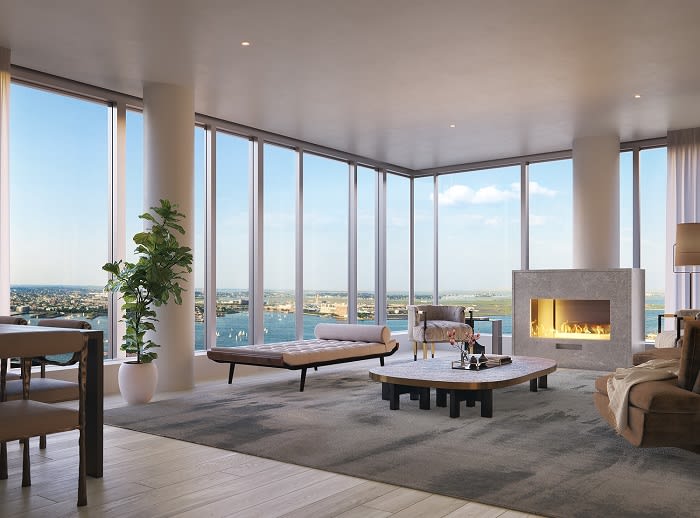
One Harbor Shore is now pre-selling 122 luxury condominiums on Fan Pier, adding new waterfront inventory to a neighborhood already anchored by Pier 4, 22 Liberty, 50 Liberty, St. Regis and Echelon.
The restaurant and entertainment scene also continues to expand.
Recent arrivals include Bambola and the Girl Next Door on Northern Avenue, combining an Italian restaurant with a nightlife-oriented cocktail concept. Boston Provisions Market has brought Wulf’s Fish and Savenor’s Butchery together in a new Seaport food market.
Seasonal activity remains a major neighborhood advantage. Cisco Brewers Seaport, outdoor dining, waterfront programming and the Seaport Sweat fitness series continue to create activity beyond traditional office hours.
Boston Magazine’s 2026 dining selections also recognized Woods Hill Pier 4 as Seaport’s standout neighborhood restaurant.
These developments reinforce Seaport’s transition from a primarily commercial district into a complete neighborhood offering residences, restaurants, hotels, public space, fitness, culture and direct waterfront access.
South Boston: Local Identity Remains the Advantage
South Boston offers a lifestyle that remains difficult to duplicate elsewhere in Boston.
Residents have access to Castle Island, Pleasure Bay, the beaches, parks, Broadway restaurants, neighborhood retail, roof decks and quick connections to Seaport and Downtown.
The neighborhood’s strength is not tied to a single major project or restaurant. It comes from the combination of recognizable local character and practical city convenience.
Buyers can live near the waterfront, walk to neighborhood restaurants, access major employment centers and still feel connected to an established residential community.
The long-term Gillette redevelopment could eventually strengthen connections among South Boston, Fort Point and Seaport while creating additional public space and mixed-use activity.
Back Bay: Boston’s Established Luxury District
Back Bay remains Boston’s premier luxury retail, hospitality and residential corridor.
Newbury Street continues to combine international brands, independent boutiques, salons, restaurants, galleries and seasonal retail.
Open Newbury Street programming is again bringing pedestrian activity to the corridor during summer 2026, strengthening the relationship among retail, dining, public space and neighborhood life.
Recent dining additions at Lyrik Back Bay have expanded the restaurant mix around the western end of Newbury Street. Saltie Girl was also recognized as Back Bay’s standout neighborhood restaurant in Boston Magazine’s 2026 selections.
Back Bay’s long-term advantage is that it already offers the complete lifestyle package newer neighborhoods are still working to build.
Residents have immediate access to the Public Garden, the Esplanade, Copley Square, restaurants, hotels, shopping, transit and cultural institutions.
Beacon Hill: Historic Character With a Strong Local Core
Beacon Hill remains one of Boston’s most recognizable and consistent residential neighborhoods.
Charles Street combines cafés, restaurants, boutiques, bookstores and daily services within walking distance of Boston Common, Massachusetts General Hospital, Downtown and the Charles River.
Zurito was recognized as Beacon Hill’s standout neighborhood restaurant in the 2026 Best of Boston dining selections.
The deeper value of Beacon Hill comes from scarcity and consistency.
The neighborhood does not depend on major new construction to create demand. Historic architecture, limited inventory and an established daily rhythm continue to support its residential appeal.
South End: Restaurant Investment Continues
The South End remains one of Boston’s strongest food and residential neighborhoods.
FAI Canteen is among the restaurants receiving attention this July, while Baleia was recognized as the South End’s standout neighborhood restaurant for 2026.
Anticipated openings include Agosto, a Portuguese-inspired fine-dining restaurant, and Baby Sister, a bakery-café concept from the same team.
These additions build on a neighborhood already known for Tremont Street, Washington Street, brownstone architecture, parks, independent businesses and destination dining.
Restaurant openings matter to residential real estate because they activate storefronts, support walkability and give residents more reasons to remain within the neighborhood.
The South End’s dining scene is not separate from its housing value. It is part of that value.
Downtown and South Station: A More Complete District
South Station Tower is changing the scale and identity of its surrounding neighborhood.
The Ritz-Carlton Residences bring luxury housing above a major transportation hub. JPMorganChase’s planned occupancy will bring up to 1,000 employees into the tower and add hundreds of jobs over time.
This combination of residents, office workers, travelers, restaurants and transportation should support additional street-level activity and services.
Trade was recognized as Downtown’s standout neighborhood restaurant in Boston Magazine’s 2026 selections, demonstrating the continuing importance of the Financial District and Greenway edge as dining destinations.
Downtown Boston’s long-term success depends on creating activity beyond weekday office hours. Projects combining housing, employers, restaurants and transportation are central to that transition.
Fort Point: Development and Public-Space Investment
Fort Point remains one of Boston’s most distinctive neighborhoods.
It combines industrial architecture, loft residences, restaurants, creative businesses and waterfront access within walking distance of Downtown and Seaport.
The proposed Gillette redevelopment and additional planning along A Street could significantly expand public space, Harborwalk connections and mixed-use activity along the Fort Point Channel.
These projects will take years to complete, but they reinforce Fort Point’s long-term role as the bridge among Downtown, Seaport and South Boston.
Luxury Retail and Neighborhood Value
Luxury retail is becoming increasingly experience-driven.
Consumers expect restaurants, hospitality, wellness, public space, events and strong service alongside traditional shopping.
Back Bay remains Boston’s clearest luxury-retail district, while Seaport continues to attract dining, beauty, apparel and lifestyle concepts seeking newer spaces and a younger mixed-use audience.
The neighborhoods best positioned for long-term success are those offering a complete and walkable daily experience rather than isolated residential or retail uses.
Joseph Barka’s Lifestyle Insight
Boston buyers are not simply purchasing bedrooms and square footage.
They are purchasing a daily routine.
That routine might include walking the Harborwalk in Seaport, dining on Tremont Street in the South End, shopping on Newbury Street, visiting Charles Street in Beacon Hill, running along Castle Island or commuting directly from South Station.
Neighborhood lifestyle creates demand.
Sustained demand supports long-term residential value.
About Joseph Barka
Joseph Barka is the Founder of The Barka Group at Compass and a Boston luxury real estate advisor specializing in Seaport Boston, South Boston, Back Bay, Beacon Hill, South End, Downtown Boston and Greater Boston.
With more than 17 years of experience and over $200 million in residential real estate sales, Joseph advises buyers, sellers, investors, developers and relocating executives throughout Boston’s premier residential markets.