Restaurants, Retail and Neighborhood Energy
Boston’s strongest residential markets are supported by more than housing.
Restaurants, retail, parks, transportation, corporate investment, public events and waterfront access all influence how buyers experience a neighborhood and evaluate long-term value.
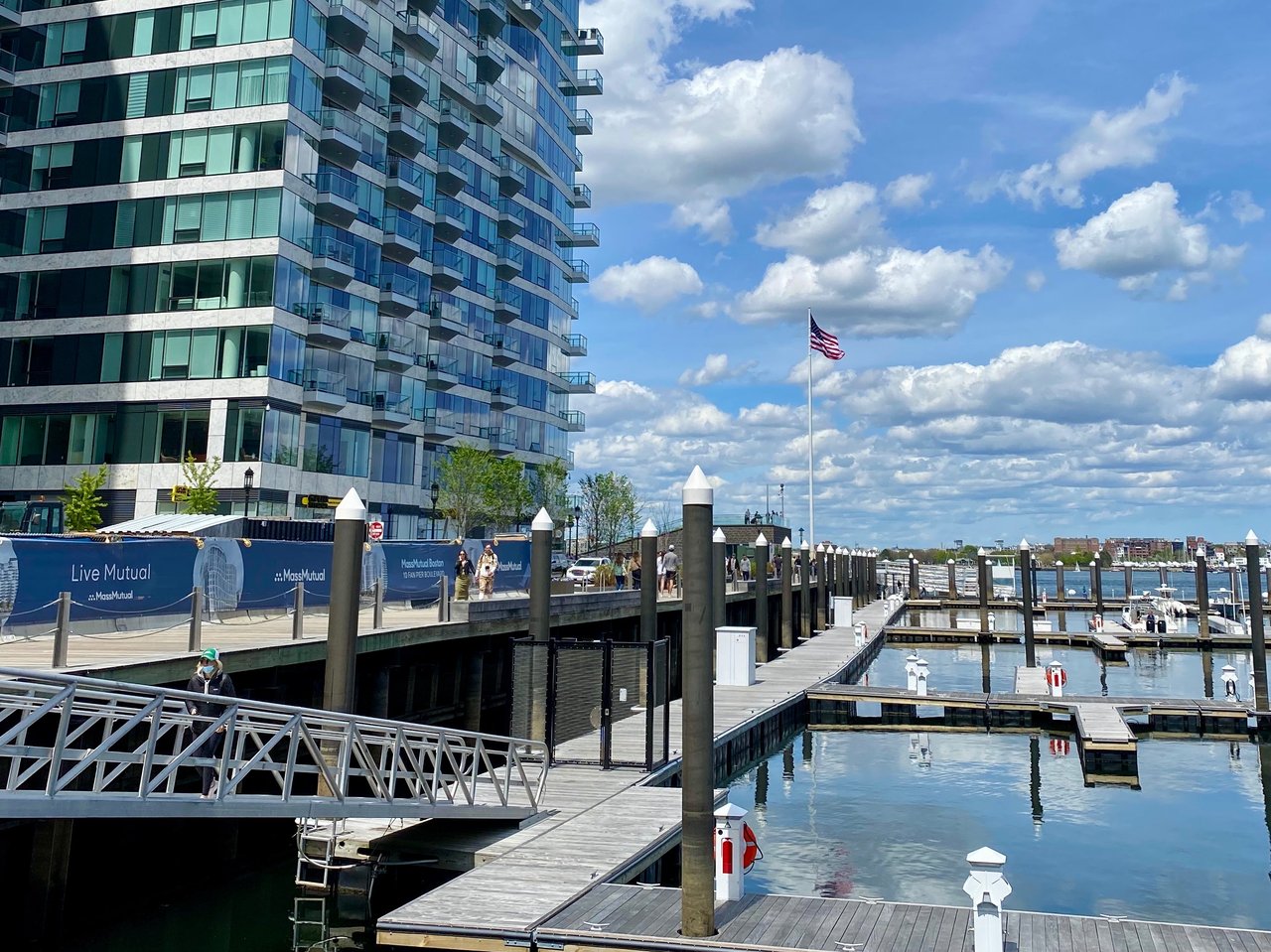
Seaport: A Full-Time Waterfront District
Seaport continues to mature as a complete residential and lifestyle neighborhood.
Recent restaurant activity includes Bambola and The Girl Next Door on Northern Avenue, along with the expanded Grove at Lawn on D, which reopened for the 2026 season with cabanas, swings, entertainment, food and drinks.
The neighborhood now combines residences, hotels, restaurants, fitness programming, cultural venues and Harborwalk access in a way that supports activity beyond traditional office hours.
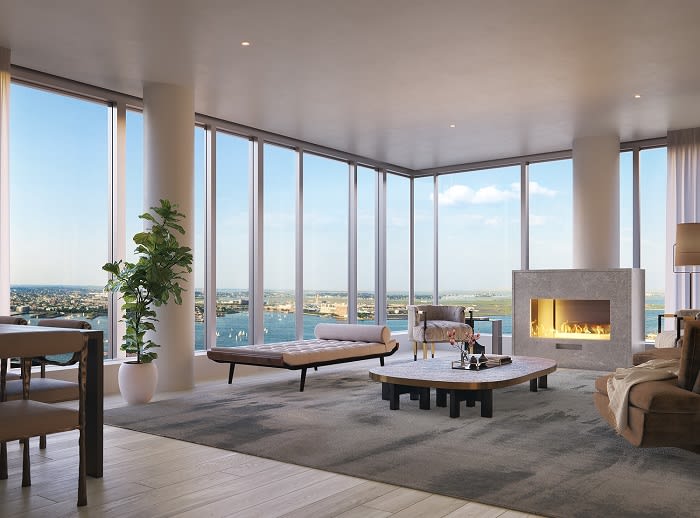
One Harbor Shore will add 122 waterfront residences and additional public-facing space to Fan Pier, strengthening an area already anchored by Pier 4, 22 Liberty, 50 Liberty and St. Regis. (City of Boston Planning Department)
South Boston: Neighborhood Identity Remains the Advantage
South Boston continues to offer a combination that is difficult to duplicate elsewhere in the city.
Residents have access to Castle Island, Pleasure Bay, the beaches, parks, Broadway restaurants and quick connections to Seaport and Downtown.
The neighborhood’s strength comes from established local character combined with practical city convenience. Buyers can live close to major employment centers and the waterfront while remaining connected to a recognizable residential community.
Long-term redevelopment around the Gillette campus could eventually improve access to the Fort Point Channel and introduce additional public space and mixed-use activity. (City of Boston Planning Department)
Back Bay: Luxury Retail Continues to Evolve
Back Bay remains Boston’s clearest luxury retail, hospitality and traditional residential district.
Newbury Street continues to attract international and emerging brands. Recent retail coverage highlighted a wave of European labels, including Poetry, Varley and American Vintage, adding to the street’s more curated fashion mix. (Boston Magazine)
The neighborhood also benefits from Open Newbury programming, which periodically converts the street into a pedestrian-oriented shopping and dining corridor.
The wider luxury sector is placing renewed emphasis on American consumers. North America accounted for approximately 27% of global luxury-store openings in 2025, supporting the broader case for established high-income retail districts such as Back Bay. (Vogue)
Beacon Hill: Historic Character With New Street-Level Activity
Beacon Hill remains one of Boston’s most recognizable residential neighborhoods.
Charles Street continues to support cafés, restaurants, boutiques, bookstores and services within walking distance of Massachusetts General Hospital, Boston Common, Downtown and the Charles River.
Seasonal concepts are also adding activity. Alibi at the Liberty Hotel introduced an espresso-martini garden for summer 2026, creating another evening destination at the edge of Beacon Hill. (Boston Magazine)
The neighborhood’s deeper advantage remains its combination of limited inventory, architectural character and an established daily rhythm.
South End: Dining Investment Supports Residential Appeal
The South End remains one of Boston’s strongest food and residential neighborhoods.
FAI Canteen was among the notable July openings, while the neighborhood is also anticipating Agosto, a Portuguese-inspired fine-dining restaurant, and Baby Sister, a bakery-café concept. (Boston Magazine)
The South End also continues to gain national dining attention. Eater’s summer 2026 Boston restaurant guide added Kaia in the South End to its primary citywide list. (Eater Boston)
This restaurant investment supports residential value by activating storefronts, strengthening walkability and giving residents more reasons to spend time within the neighborhood.
Downtown: New Dining and Corporate Momentum
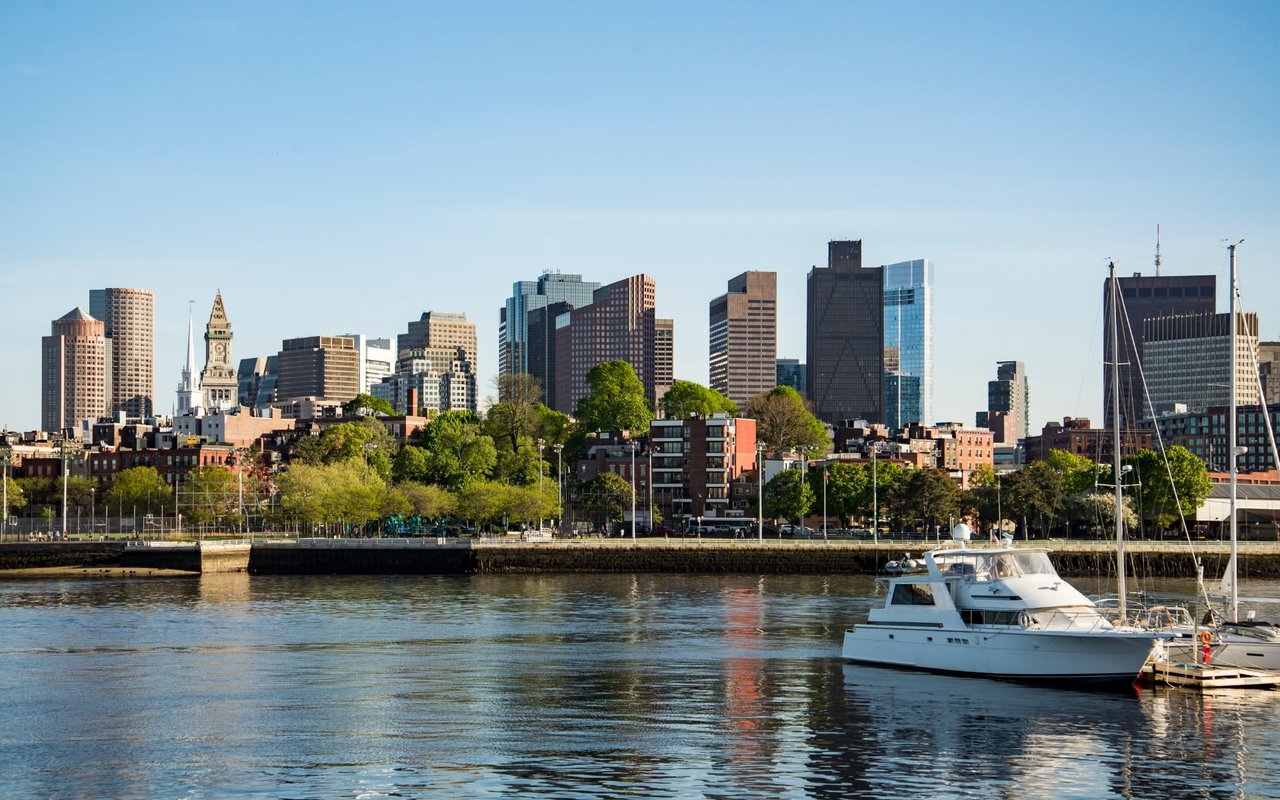
Downtown Boston is becoming more residential and more active beyond traditional business hours.
All’Antico Vinaio opened a second Boston location in Downtown Crossing in July, adding a high-profile Italian sandwich concept to the district. (Boston Magazine)
South Station Tower is adding a much larger long-term catalyst through its combination of Ritz-Carlton residences, office space and transportation. JPMorganChase’s planned occupancy will bring up to 1,000 employees and more than 300 new jobs to the building. (JPMorgan Chase)
This mix of residents, office workers, commuters, travelers and restaurants should help Downtown and the South Station district support more consistent activity throughout the day and evening.
Dine Out Boston Adds August Activity
Dine Out Boston is running through August 15, 2026, with nearly 200 participating restaurants across the region. The event gives residents and visitors another reason to explore Boston neighborhoods during a period when restaurants are competing for more budget-conscious diners. (Axios)
For real estate, these citywide programs matter because active dining districts contribute to foot traffic, neighborhood visibility and the daily experience buyers associate with a location.
Joseph Barka’s Lifestyle Insight
Boston buyers are not simply purchasing bedrooms and square footage.
They are purchasing a daily routine.
That routine may include walking the Harborwalk in Seaport, dining in the South End, shopping on Newbury Street, visiting Charles Street, running along Castle Island or commuting through South Station.
Neighborhood lifestyle creates demand.
Sustained demand supports long-term residential value.
About Joseph Barka
Joseph Barka is the Founder of The Barka Group at Compass and a Boston luxury real estate advisor specializing in Downtown Boston and Greater Boston.
With more than 17 years of experience and more than $200 million in residential real estate sales, Joseph advises buyers, sellers, investors, developers and relocating executives throughout Boston’s premier residential markets.