Boston Real Estate Market Report
Downtown Boston & Urban Core Housing Trends | June 2026
A Look at Boston's Urban Real Estate Market
Boston's urban housing market continues to demonstrate remarkable resilience as the city enters the second half of 2026. While many major U.S. cities have experienced slowing demand and increasing inventory, Boston remains supported by a powerful combination of limited housing supply, strong employment growth, world-renowned universities, healthcare institutions, and one of the nation's most dynamic innovation economies.
Across Downtown Boston and its surrounding neighborhoods—including Seaport, Back Bay, Beacon Hill, South End, North End, Waterfront, and South Boston—the market has shifted from the frenzied conditions of the post-pandemic years toward a healthier and more balanced environment.
Inventory has improved modestly, giving buyers more options than they have seen in several years. At the same time, demand remains healthy, particularly for well-located properties with outdoor space, parking, updated interiors, and walkable access to Boston's urban amenities.
Boston Market at a Glance
June 2026 Market Snapshot
- Inventory levels continue rising modestly throughout Downtown Boston.
- Luxury condominium buyers have gained increased negotiating leverage.
- Owner-occupant demand remains healthy in supply-constrained neighborhoods.
- Rental demand remains among the strongest in the Northeast.
- New development activity continues transforming Downtown Boston.
- Office-to-residential conversions are accelerating throughout the Financial District.
- Luxury hospitality, retail, and restaurant investment continues expanding across the urban core.
Downtown Boston's Residential Transformation
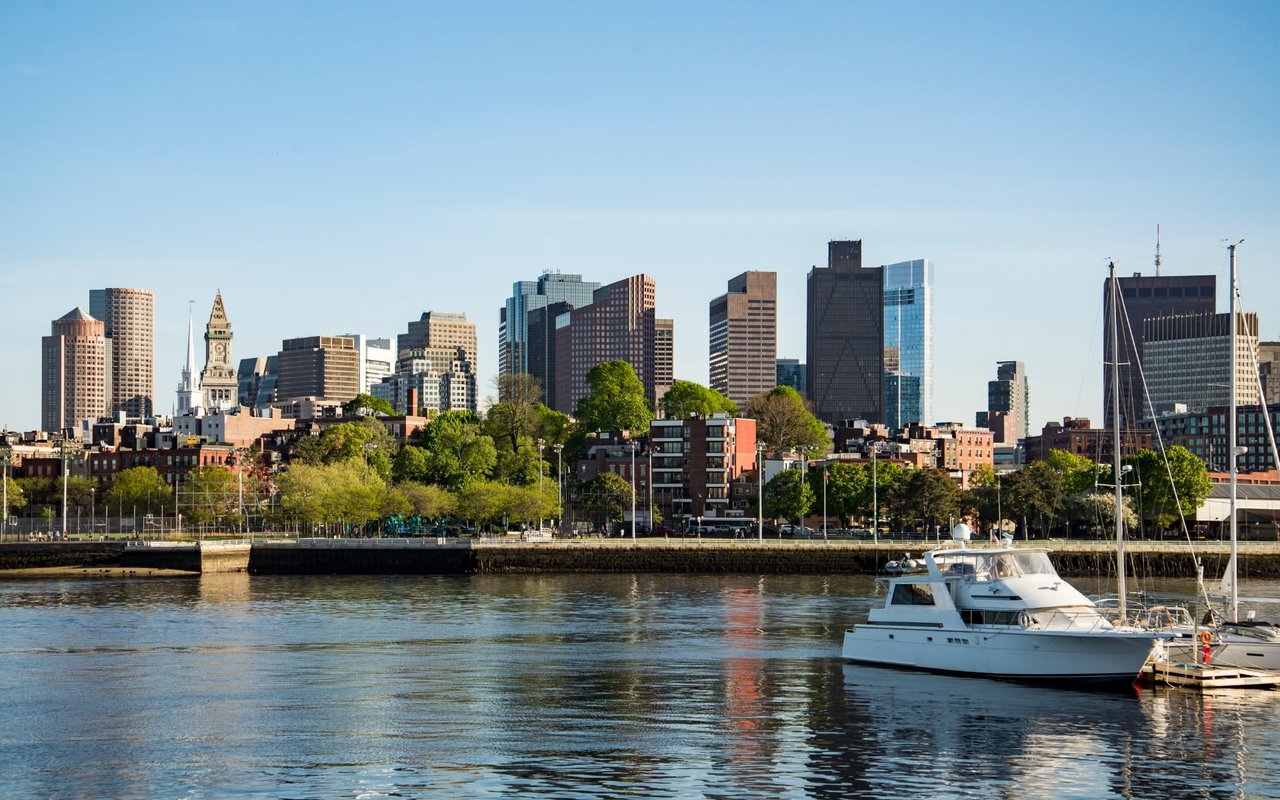
Perhaps the most important long-term trend shaping Boston real estate is the evolution of Downtown from a traditional office district into a true mixed-use residential neighborhood.
Major projects including South Station Tower are helping redefine the city skyline while introducing new residential, retail, hospitality, and public spaces into the urban core.
At the same time, Boston's office-to-residential conversion initiative continues gaining momentum as older office buildings are repositioned as housing. These projects are expected to deliver thousands of new residents into Downtown over the coming years, helping create a more vibrant 24-hour neighborhood environment.
The result is a Downtown Boston that increasingly resembles the mixed-use urban districts found in cities such as New York, Chicago, and Washington, D.C.
Luxury Housing Market
Boston's luxury housing market remains active, though conditions have become more balanced than in recent years.
Luxury inventory has expanded throughout:
- Downtown Boston
- Seaport
- Back Bay
- South End
- Waterfront
This increase in inventory has created greater choice for buyers and increased competition among sellers.
However, demand remains exceptionally strong for properties offering:
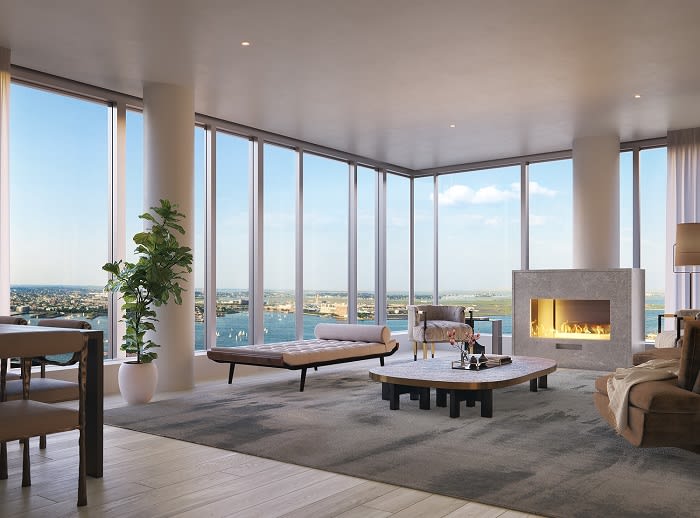
- Water views
- Outdoor space
- Concierge services
- Premium locations
- New construction
- Historic architectural character
The strongest-performing homes continue to be those that combine scarcity with lifestyle.
Neighborhood Highlights
Seaport
The Seaport remains Boston's premier modern luxury neighborhood and continues attracting high-income professionals, executives, investors, and empty nesters.
The neighborhood remains defined by:
- Luxury condominiums
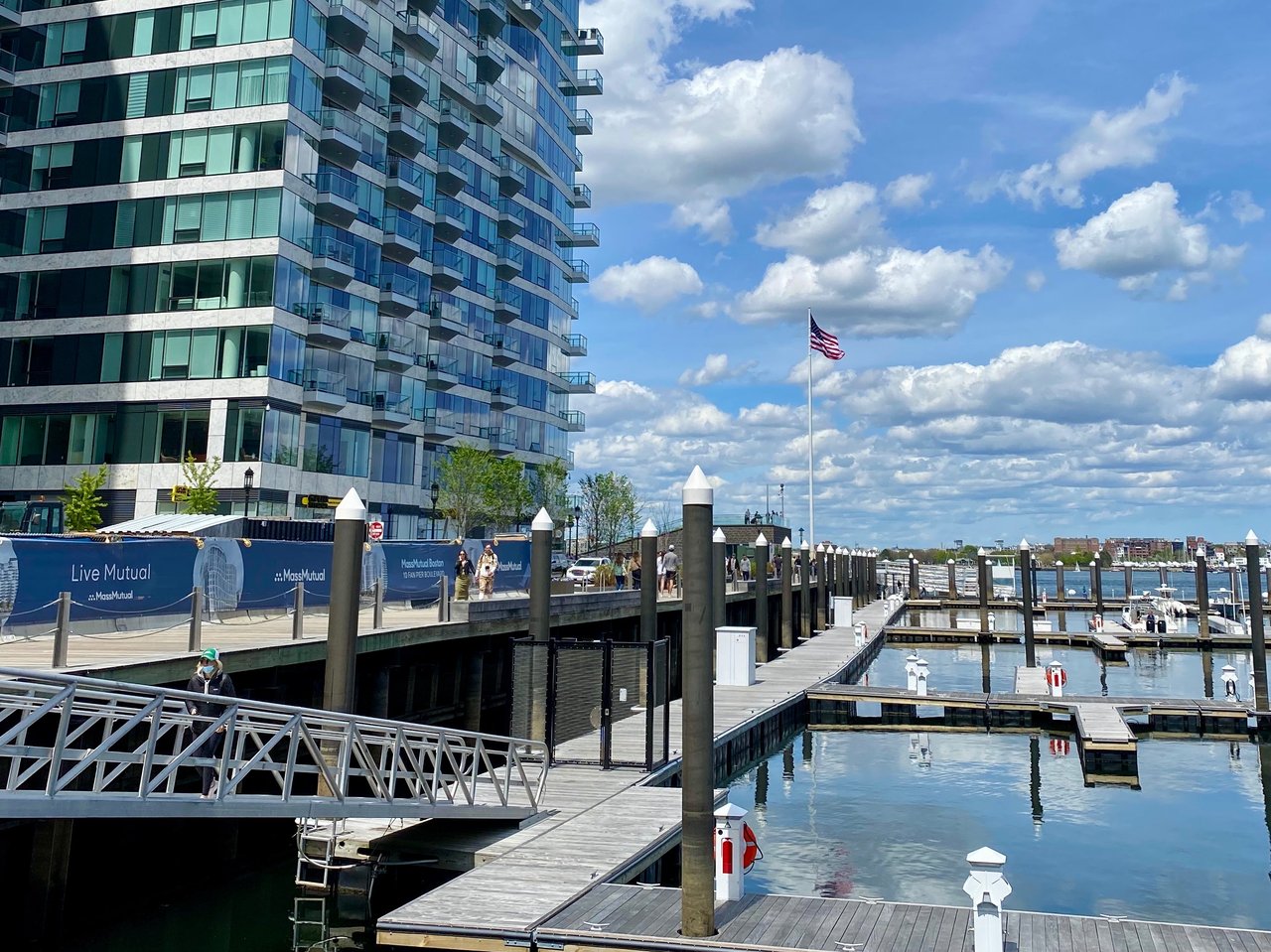
- Waterfront living
- Corporate headquarters
- Hospitality investment
- New retail development
While luxury inventory remains elevated, the Seaport continues commanding some of the highest residential values in New England.
Back Bay
Back Bay remains one of Boston's most desirable residential neighborhoods.
Demand continues to be driven by:
- Historic brownstones
- Luxury condominium buildings
- Newbury Street retail
- Walkability
- Access to Downtown
Back Bay's combination of historic character and urban convenience continues supporting long-term value appreciation.
Beacon Hill
Beacon Hill remains one of Boston's most supply-constrained neighborhoods.
The neighborhood's historic architecture, brick sidewalks, gas-lit streets, and proximity to Downtown continue attracting buyers seeking long-term stability and architectural significance.
Inventory remains exceptionally limited, helping support pricing despite broader market shifts.
South End
The South End continues to be one of Boston's most dynamic residential neighborhoods.
Known for:
- Historic brownstones
- Restaurant culture
- Art galleries
- Walkability
- Boutique retail
the neighborhood remains highly desirable among professionals, downsizers, and urban homeowners.
South Boston
South Boston continues benefiting from strong owner-occupant demand and limited housing inventory.
The neighborhood's proximity to Downtown, the Seaport, and major employment centers has helped transform it into one of Boston's strongest-performing residential markets over the past decade.
Boston Rental Market
Boston's rental market remains one of the strongest in the country.
Demand continues to be driven by:
- Healthcare
- Biotechnology
- Financial services
- Higher education
- Corporate relocations
Luxury rental inventory has increased modestly, particularly within Downtown and Seaport high-rise developments. However, occupancy rates remain healthy and rental pricing remains elevated relative to national averages.
For many residents, renting remains the preferred option as mortgage rates and housing prices continue limiting affordability.
Restaurants, Retail & Lifestyle Trends
One of the most significant drivers of residential demand today is neighborhood lifestyle.
Boston continues experiencing substantial investment in:
- Luxury hospitality
- Restaurant openings
- Boutique retail
- Wellness concepts
- Public spaces
- Mixed-use developments
Neighborhoods such as the Seaport, South End, Back Bay, and Downtown continue attracting some of the city's most ambitious restaurant concepts and retail brands.
This continued investment helps reinforce the long-term desirability of Boston's urban neighborhoods and contributes directly to residential demand.
Economic Drivers Supporting Boston Housing
Boston's housing market continues benefiting from several powerful long-term trends:
Healthcare & Life Sciences
Boston remains one of the world's leading healthcare and biotechnology centers, anchored by institutions throughout Longwood Medical Area, Cambridge, and the Seaport.
Higher Education
The region's concentration of universities continues attracting talent from around the world and supporting long-term housing demand.
Financial Services
Downtown Boston remains a major financial center, supporting demand for both ownership and rental housing.
Technology & Innovation
Continued investment in technology, artificial intelligence, and life sciences is helping drive population growth and economic expansion throughout Greater Boston.
Outlook for the Remainder of 2026
Boston's housing market is no longer experiencing the extreme seller conditions of recent years, but it remains fundamentally healthy.
Buyers have gained more options and negotiating leverage, particularly within the luxury condominium segment. Sellers continue benefiting from limited inventory, strong local demand, and Boston's exceptional economic fundamentals.
As Downtown Boston continues adding new residents, hospitality, retail, and public amenities, the city's urban core appears positioned for continued growth throughout the remainder of 2026 and beyond.
About Joseph Barka
Joseph Barka is a Boston luxury real estate advisor and founder of The Barka Group at Compass, specializing in luxury condominiums, waterfront residences, and residential investments throughout Downtown Boston, Seaport, Back Bay, Beacon Hill, South End, South Boston, and Greater Boston.
A 2026 RealTrends Verified Top Team, The Barka Group has represented clients in more than $200 million in residential real estate transactions throughout Greater Boston.
Learn More