Across Seaport, South Boston, the South End, and Downtown, what’s happening right now is a clearer divide between what works and what doesn’t. At the same time, the city’s restaurant and lifestyle scene continues to accelerate, reinforcing where demand is actually going.
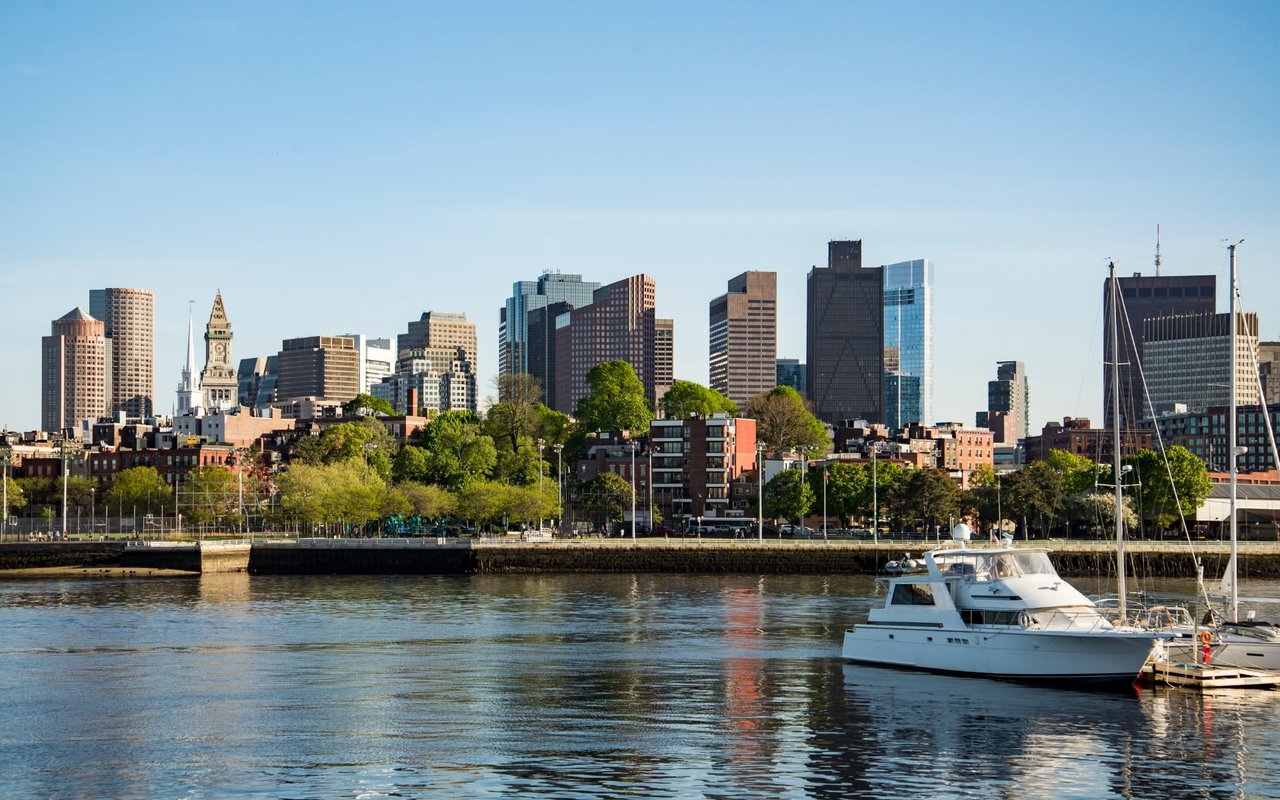
Seaport: Luxury Supply Meets Reality
The luxury condo conversation in Boston continues to center on Seaport- and this week, the tone remains consistent: top-tier sells, everything else negotiates.
Recent reporting shows that Boston’s luxury boom, particularly in projects like St. Regis Residences, has hit a slowdown at the ultra-high end, with unsold inventory and developers quietly offering concessions.
That doesn’t mean demand disappeared- it means it narrowed.
Buyers are still active, but:
- They’re prioritizing true waterfront, views, and brand-level buildings
- They’re avoiding overpriced or undifferentiated units
At the same time, Seaport’s lifestyle layer continues to strengthen.
A major new addition this week: Bambola, a high-end Italian concept taking over the former Seaport Social space, alongside a more casual companion concept.
And at street level, Boston Provisions Market- a chef-grade butcher + fish market hybrid- opened, bringing restaurant-quality sourcing directly into the neighborhood.
👉 Translation:
Even as the luxury market gets more selective, the neighborhood itself keeps getting stronger.
South Boston: A Market That Keeps Absorbing
South Boston continues to do what it does best- absorb change without losing momentum.
This week’s standout:
Common Craft, backed by James Beard-winning chef Tony Messina, opened in South Boston, introducing a rotating culinary concept alongside a high-end casual dining format.
This isn’t just another opening- it’s a signal:
- Higher-end culinary operators are continuing to bet on South Boston
- The neighborhood is evolving into something more refined, not just social
Meanwhile, development remains steady and incremental, which is exactly why pricing here tends to hold:
- No oversupply shock
- No dramatic resets
👉 South Boston remains one of the most reliable micro-markets in the city
South End: The City’s Culinary Engine Keeps Accelerating
The South End continues to separate itself- not just as a neighborhood, but as a cultural driver of demand.
This week’s bigger-picture story:
Boston’s dining scene is getting national recognition, including its first Michelin-starred restaurant and increasing visibility in major culinary rankings.
And much of that energy is anchored in:
- The South End
- Fort Point / Seaport spillover
Looking ahead, one of the more notable upcoming openings:
- Celine, a French-Canadian concept coming to Fort Point from the team behind SRV and Baleia
👉 What this means for real estate:
- Buyers aren’t just choosing neighborhoods
- They’re choosing scenes
And the South End continues to win that category.
Downtown Boston: The Quiet Transformation Continues
Downtown is still the most under-the-radar shift happening in Boston.
This week’s broader signal:
- Boston has now converted over 1.25 million square feet of office space into residential units since launching its conversion program
That’s not theoretical- that’s already happening.
The implication:
- Downtown is slowly transitioning from a 9-to-5 district → residential neighborhood
- More housing = more retail + dining + street activity over time
👉 This is where future value may be hiding
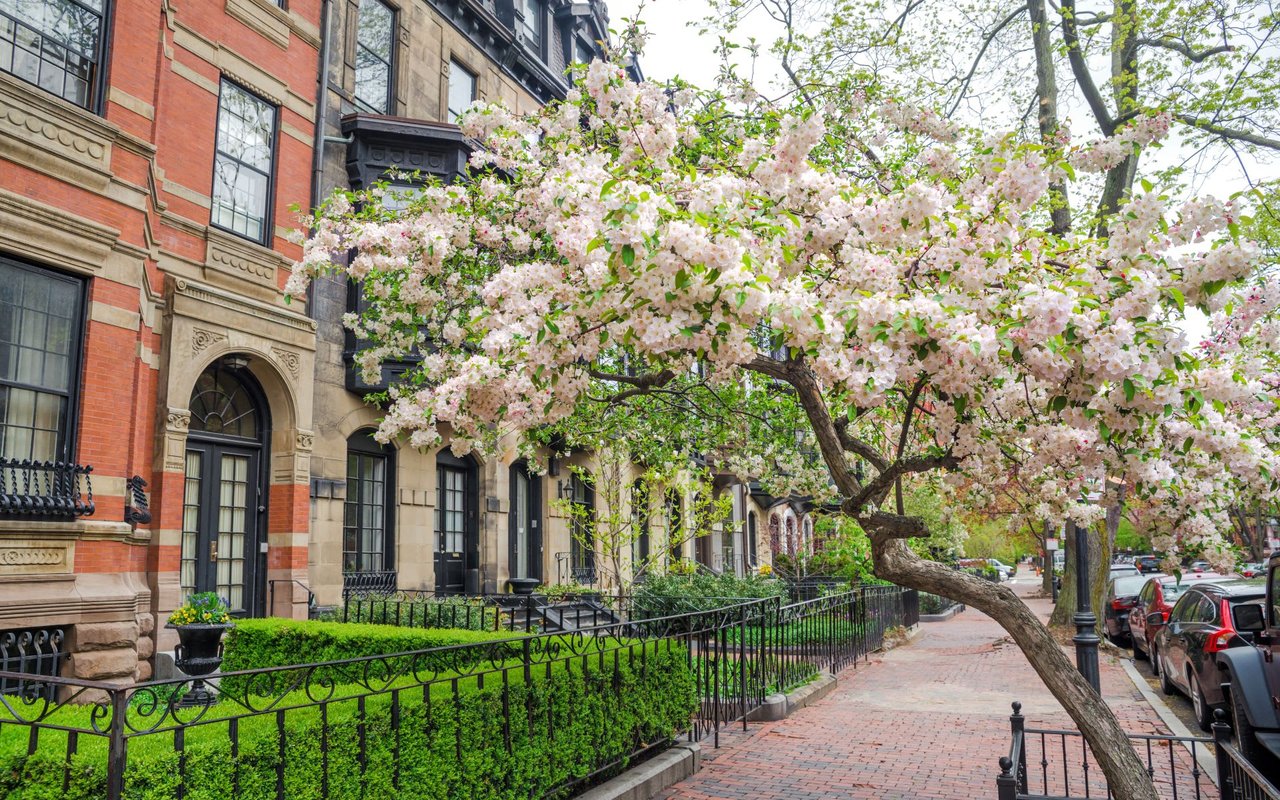
Beacon Hill: Stability Through Scarcity
No major headlines this week- and that’s the point.
Beacon Hill continues to operate on:
- Low turnover
- Limited inventory
- High buyer intent when product hits
While other neighborhoods adjust, Beacon Hill remains:
👉 Quietly consistent- and consistently expensive
The Subtle Shift This Week
Zoom out, and the pattern becomes obvious:
- Seaport → selective luxury + strong lifestyle investment
- South Boston → steady demand + improving quality
- South End → cultural + culinary dominance
- Downtown → long-term repositioning
- Beacon Hill → unchanged scarcity
And the common thread:
👉 Real estate is no longer being driven by momentum- it’s being driven by quality and context
Bottom Line
This week didn’t bring a market shift- it clarified one.
- Buyers are still active
- Sellers still have opportunity
- But the margin for error is gone
The properties that win right now are:
- Well-priced
- Well-located
- And tied to a neighborhood people actually want to live in
If you’re considering buying or selling in Boston, I’m happy to share a more detailed look at what’s moving- and where the best opportunities are right now.
Best,
Joe